

What is SEO in 2026? The Rise of Generative Engine Optimization (GEO)
If you had asked about the state of Search Engine Optimization (SEO) five years ago, the answer would have centered on keyword density, backlink profiles, and ranking on the first page of a search results page (SERP). Fast forward to 2026, and the landscape has undergone a seismic shift.
With the explosion of Large Language Models (LLMs) and AI-powered search experiences, the question ‘What is SEO in 2026?’ is no longer about just ‘ranking.’ It is about ‘visibility’ within a generative ecosystem. We are moving from a world of blue links to a world of direct answers, giving rise to a new discipline: Generative Engine Optimization (GEO).
The Shift from Search Engines to Answer Engines
In the past, search engines acted as librarians. You asked a question, and they pointed you to a shelf where the answer lived. In 2026, search engines act as researchers. They read the books, synthesize the information, and provide you with a comprehensive summary instantly.
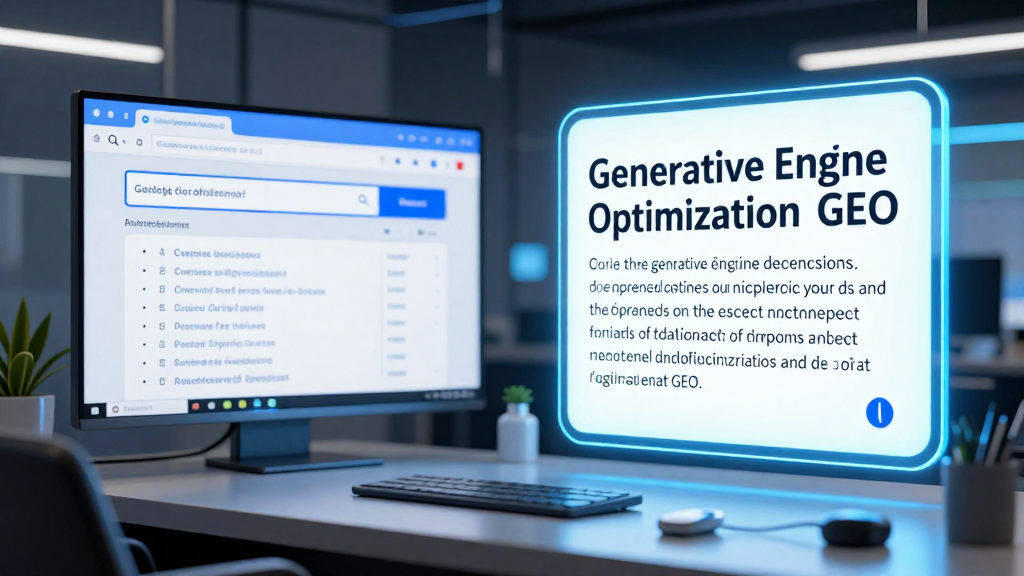
This transition creates a ‘zero-click’ environment. If a user gets the answer they need directly from an AI overview or a generative response, they may never click through to your website. Therefore, SEO in 2026 must focus on becoming the primary source of truth that these AI models cite and rely on.
What is Generative Engine Optimization (GEO)?
Generative Engine Optimization (GEO) is the practice of optimizing content to be favored, cited, and synthesized by AI models like Google Gemini, Perplexity, and OpenAI’s SearchGPT.
While traditional SEO focuses on matching user queries with web pages, GEO focuses on matching user intent with high-quality, structured data that an LLM can easily digest. To succeed in GEO, your content must be:
- Factually Dense: AI models prioritize content that provides specific data points, statistics, and clear facts.
- Contextually Relevant: Instead of just repeating keywords, content must answer the ‘why’ and ‘how’ behind a query.
- Highly Structured: Using Schema markup and clear headings helps AI understand the relationship between different pieces of information.
The Three Pillars of SEO in 2026
To thrive in this new era, your SEO strategy must be built on three core pillars:
1. Entity-Based Optimization
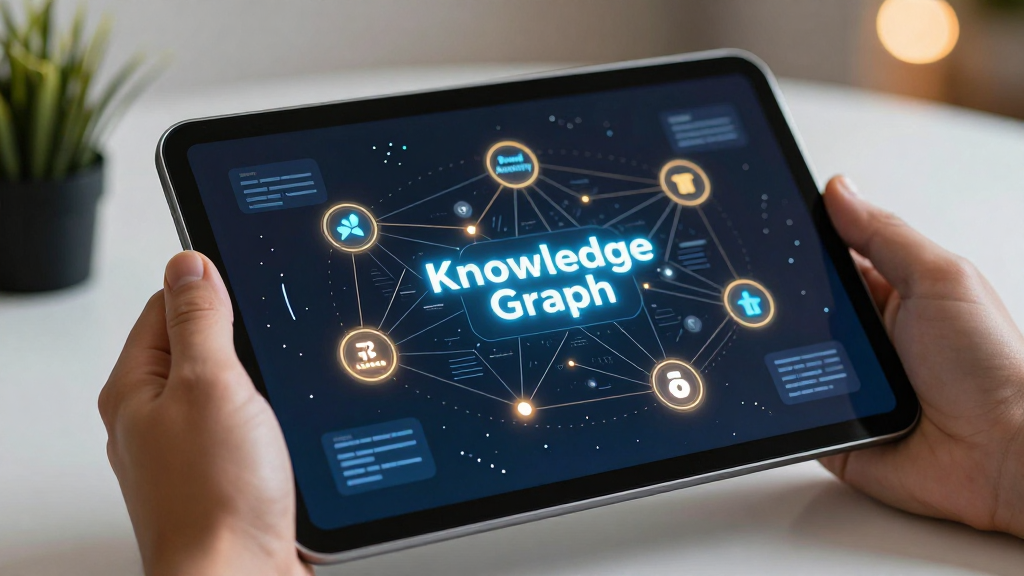
Search engines are moving away from strings (words) and toward things (entities). In 2026, SEO is about establishing your brand as an ‘entity.’ This means connecting your brand to other recognized entities—people, places, events, and products. By building a robust knowledge graph around your business, you make it easier for AI to understand who you are and why you are an authority in your niche.
2. The Evolution of E-E-A-T

Experience, Expertise, Authoritativeness, and Trustworthiness (E-E-A-T) are more critical than ever. As AI-generated content becomes the baseline for the internet, ‘human-led’ content becomes the premium.
To stand out, your content must include:
- Unique Perspectives: AI can summarize the consensus, but it cannot provide a personal anecdote or a unique ‘hot take.’
- First-Hand Experience: Content that says “I tried this and here is what happened” is significantly more valuable than “Here are the benefits of this product.”
- Verified Credentials: Linking to real-world achievements, certifications, and verified reviews helps build the trust that LLMs look for when selecting sources.
3. Multimodal Content Strategy
Users in 2026 are no longer just typing into boxes. They are speaking to their watches, searching via images, and consuming short-form video. SEO now requires a multimodal approach. This means optimizing your content for:

- Voice Search: Using natural, conversational language.
- Visual Search: High-quality images with descriptive alt-text and surrounding context.
- Video Snippets: Ensuring your video content is structured to appear in AI-generated video summaries.
How to Prepare Your Strategy for 2026
If you want to stay ahead of the curve, you need to pivot your marketing tactics today. Here is a practical roadmap:
- Audit for AI Readability: Is your content easy for a machine to summarize? Use clear headings, bullet points, and concise sentences.
- Focus on Niche Authority: Don’t try to rank for everything. Become the undisputed authority on a specific, high-value topic where human expertise is irreplaceable.
- Prioritize Structured Data: Implement advanced Schema markup to give search engines a clear map of your content.
- Build Brand Mentions: Focus on getting mentioned in reputable publications and forums. AI models use these mentions to determine your authority.
Conclusion
What is SEO in 2026? It is the art of being the most trusted, most accessible, and most authoritative source in an AI-driven world. While the tools are changing—moving from keyword tools to LLM analysis—the core goal remains the same: providing value to the user. By mastering Generative Engine Optimization and doubling down on human experience, your brand won’t just rank; it will be the answer the world is looking for.